The barrier · FE-03 · Ecosystem
No check-in planned with the manager on return
Nobody asks the participant whether they tried: the attempt feels unimportant.
The Action Flow method
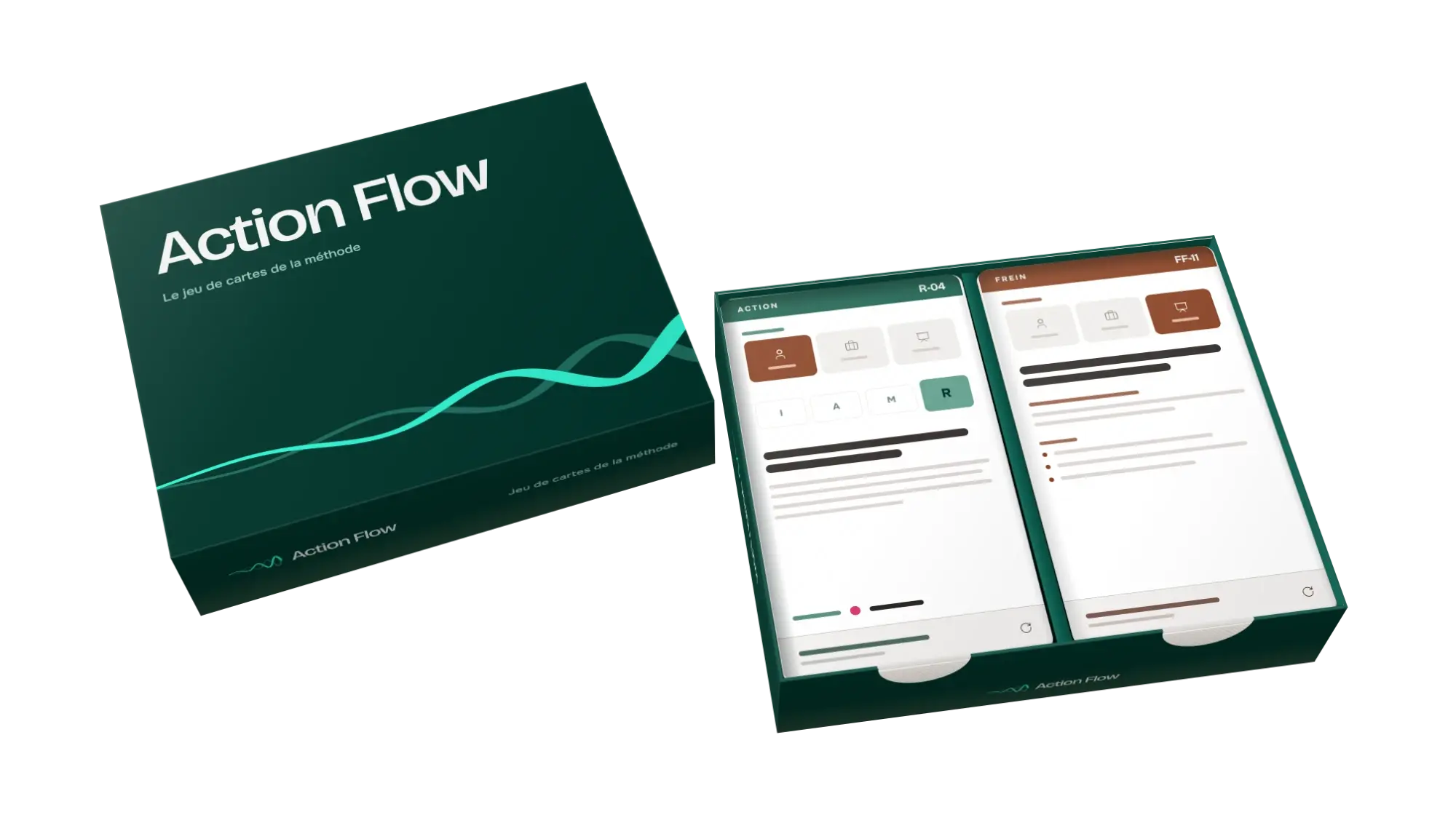
The Action Flow method is a card deck and three canvases. Around a table, the L&D team, managers, and former participants spot what might stop a training from being applied. They choose the actions that lift those barriers, and decide who carries them, before, during, and after the session.
Research shows a training stays without effect for three kinds of reasons, and that most of it happens outside the room. The method crosses the two.
Understand transferTheir motivation, their confidence, what they came for.
Their manager, their colleagues, the time and the chances to apply.
Its design, the place of practice, what is planned before and after.
D-30 → D0
Arrive with a reason to apply.
D0
Learn on their own work.
D+1 → D+30
Try, miss, try again, without staying alone.
D+30 → D+90
Turn practice into a habit.
Three phases out of four happen outside the session: that is where most trainings lose their effects.
Each step has its own support: a canvas or a pack of cards. Only one is opened at a time.
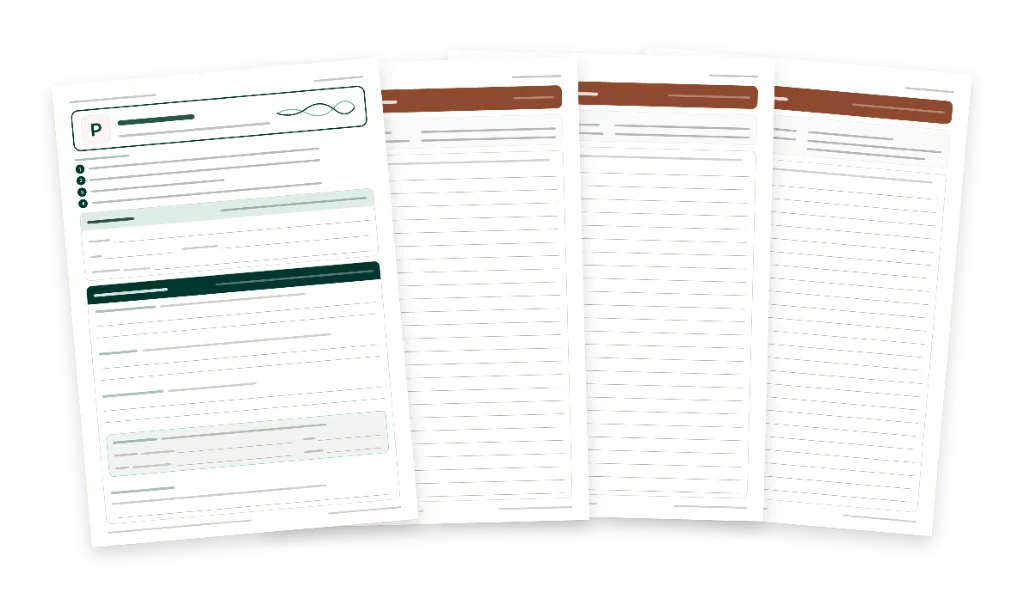
The portrait
The group describes the training, its audience, and its setting, with facts rather than opinions.
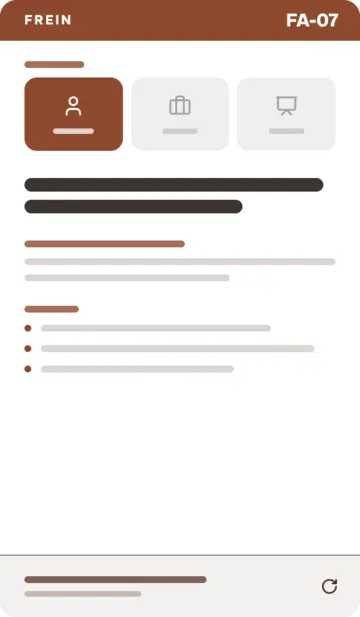
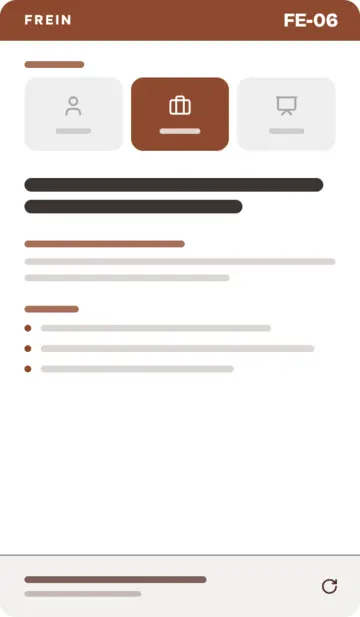
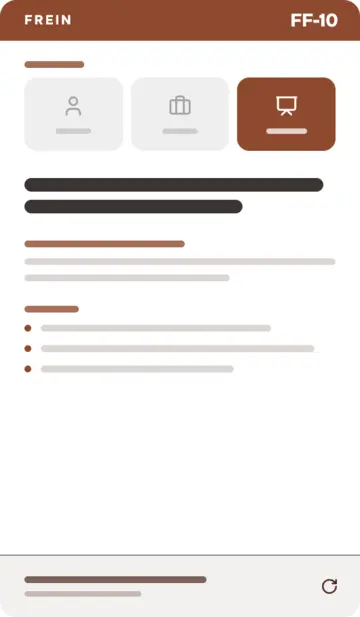
The barrier cards
The group does not write the barriers: it recognizes them in the deck, comparing their signs with the portrait. It keeps the most blocking ones, 6 at most, including at least one per family.
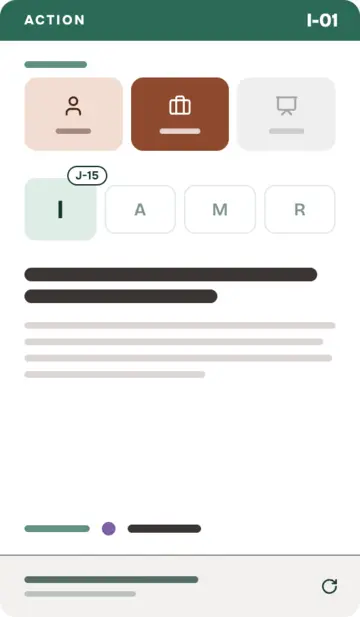
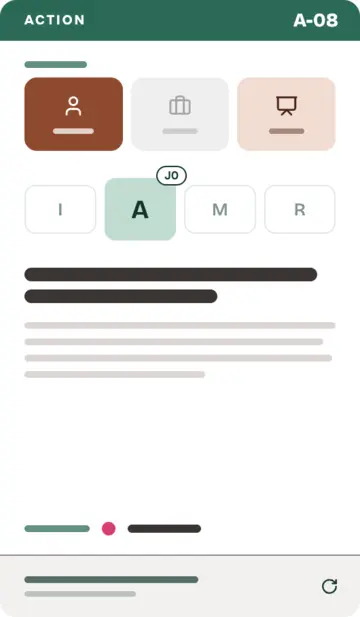
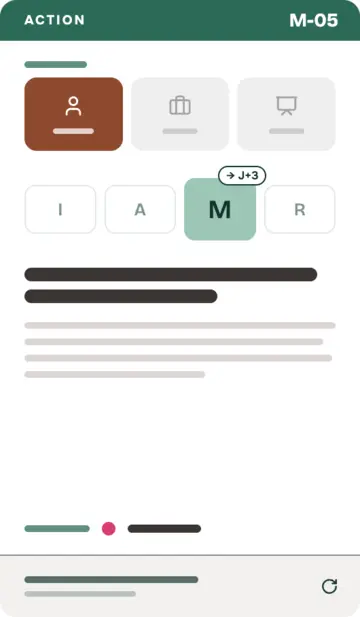
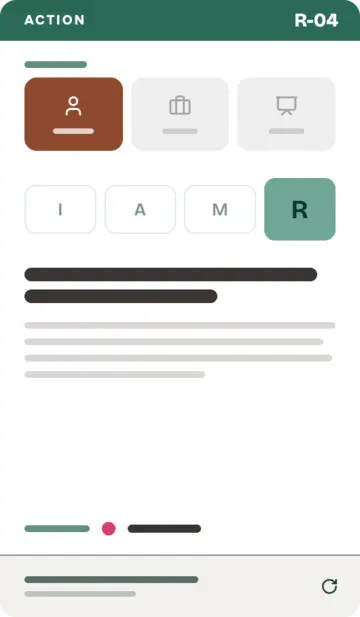
The action cards
Under each barrier, the group places 1 or 2 action cards that lift it. Each one says what it acts on, when, and who does it: the participant, their manager, a peer, or the L&D team.
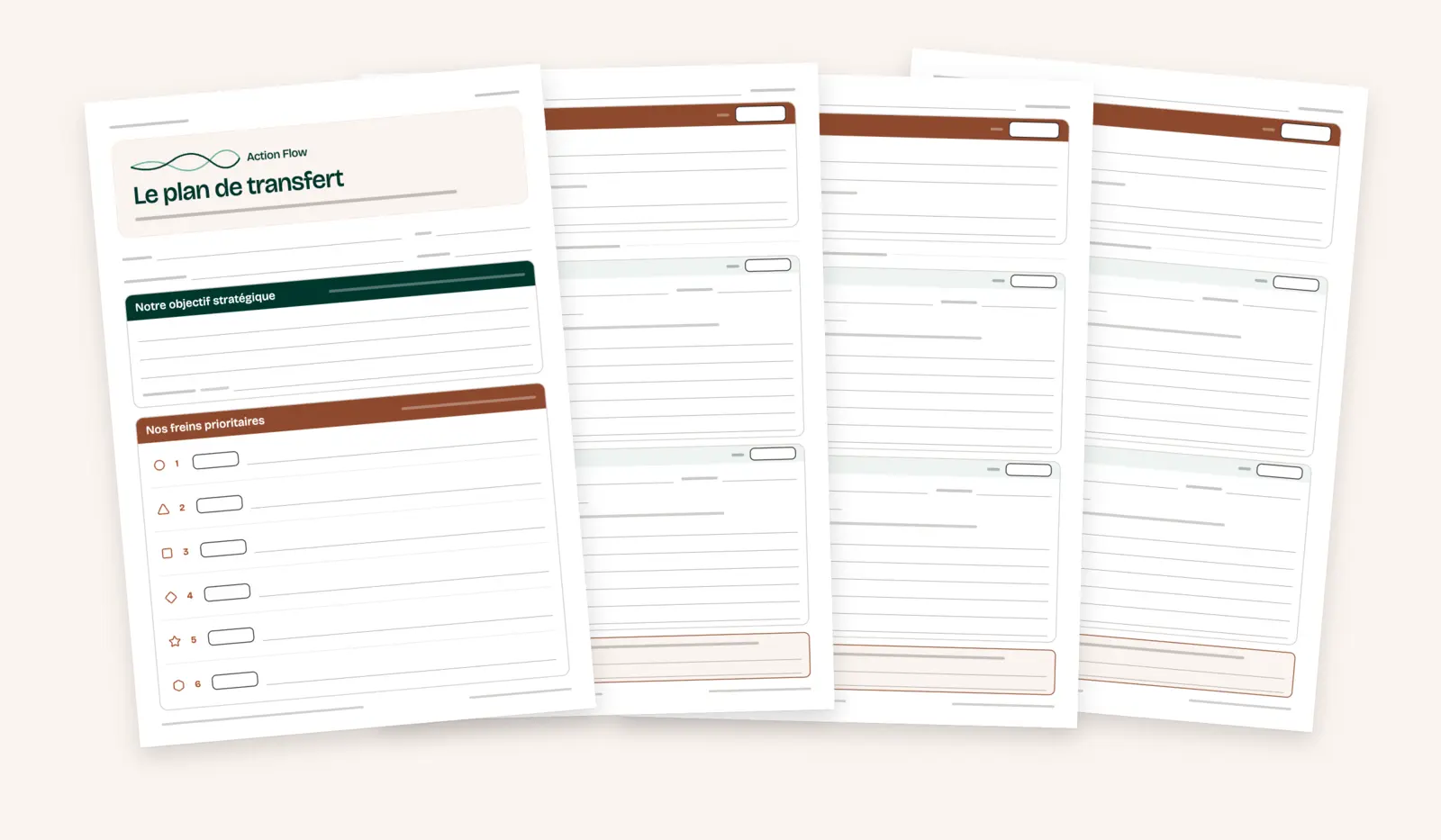
The transfer plan
The group translates each action into its reality: who does what, when, with what, in which existing ritual. It sets a success criterion per phase.
The barrier · FE-03 · Ecosystem
Nobody asks the participant whether they tried: the attempt feels unimportant.
The action · M-01 · D+7 · Manager
The manager has a coffee with the participant to talk about their attempts, without judging, and to set the next one.
On our side
At D+7, the manager keeps 15 minutes of the weekly check-in for each participant’s attempts. The next attempt is noted in Action Flow.
Illustrative example.
The plan says, barrier by barrier, which actions to run, who carries them, and when. It fits in a few pages and speaks the company’s language.
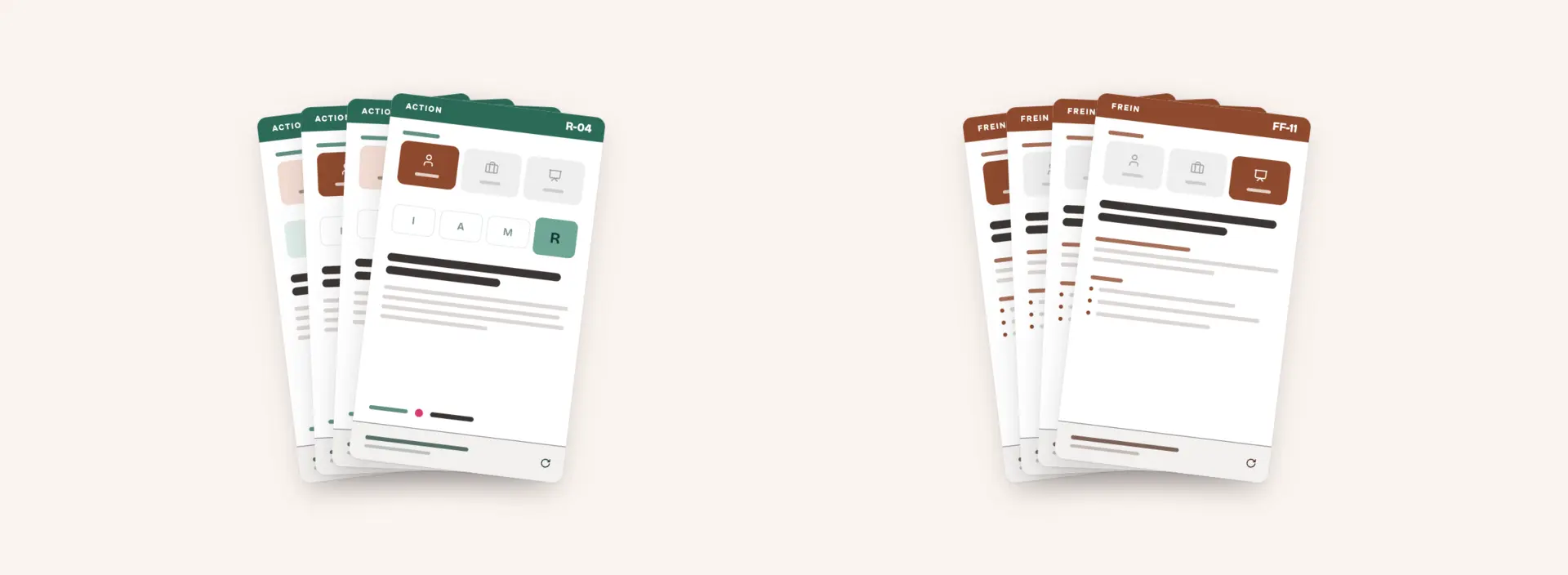
What it acts on, when, who does it; on the back, the actions to combine.
Where the barrier comes from, what it causes on the ground, its signs; on the back, ways to act.
The three canvases to print: the portrait, the board, and the transfer plan. Each action card has an online guide: the step by step, examples, and the research behind it.
The method is for discovering transfer, analyzing a training, or building its plan, with us or on your own.
See our offersThe Action Flow method and its card deck are the intellectual property of Raphaël Grasset and Clément Cahagne.
No. It is included in every accompaniment and stays with you at the end. We would rather pass it on with its method than as a box to open alone.
That is the most common case, and it is what Action Lab is for.
Not in the usual sense. The fresco introduces the subject in a few hours, and Action Lab trains your team to do the work on one of your real trainings.
Another question? Write to us
Share one of your trainings with us and, in thirty minutes, we analyze together how to multiply its impact through effective transfer engineering.